

Introduction to Binary Options Signals
In the fast-paced world of financial trading, binary options offer a unique path to profit by predicting the direction of asset prices within specific timeframes. However, the volatility of markets like Forex, stocks, and commodities can be overwhelming for beginners and veterans alike. This is where free binary options signals come into play. These alerts serve as a professional recommendation, telling you what asset to trade, in which direction, and at what time.
While many traders believe that high-quality information always comes with a price tag, the digital landscape has evolved. Today, many professional analysts and automated systems provide valuable entry points at no cost. This guide will explore how these signals work, where to find the most reliable ones, and how to integrate them into a sustainable trading strategy without falling victim to common pitfalls.
What Exactly are Binary Options Signals?
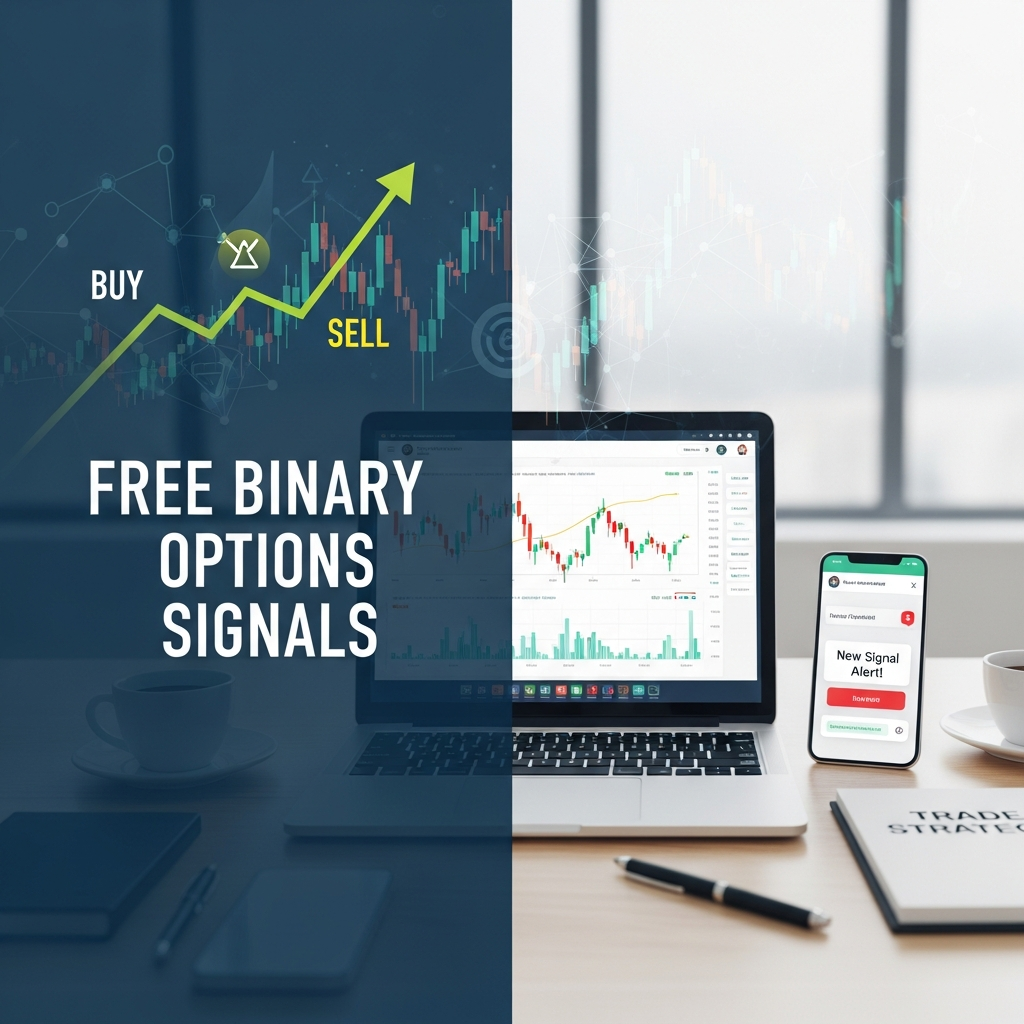
A binary options signal is essentially a notification or a piece of data that suggests a specific trade. Because binary options are ‘all-or-nothing’ propositions, the signal focuses on two main factors: price direction (Call or Put) and the expiry time. A typical signal includes the asset name (e.g., EUR/USD), the current strike price, the action (Buy/Call or Sell/Put), and the suggested timeframe (e.g., 5 minutes or 1 hour).
Components of a High-Quality Signal
Not all signals are created equal. A reliable free signal should provide context. Instead of just saying ‘Buy Gold,’ a professional alert might specify that the RSI is oversold on the 15-minute chart and that a reversal is expected at a specific support level. Understanding these components helps you filter out low-probability trades.
The Psychology of Using Free Signals
Many traders turn to signals because of ‘analysis paralysis.’ The sheer amount of data available—from economic calendars to technical indicators—can lead to indecision. Free signals act as a secondary confirmation, giving traders the confidence to pull the trigger. However, relying solely on signals without understanding the ‘why’ behind them can be a dangerous habit. Successful traders use these tools as a supplement to their own education, not a replacement for it.
Top Sources for Reliable Free Binary Options Signals
Finding the right provider is the most critical step. With the rise of social media and messaging apps, access to expert advice has never been easier, but it has also opened the door to low-quality ‘spam’ groups. Here are the most reputable avenues for finding free signals:
1. Telegram Channels
Telegram has become the headquarters for trading communities. Many expert traders run ‘Free’ channels where they post 2-5 high-probability signals a day. They do this to build a reputation and funnel users toward their VIP or educational services. When joining these groups, look for those that provide screenshots of their charts and explain their logic.
2. Broker-Integrated Signals
Several leading binary options brokers now include free signal tools directly within their trading platforms. These are often powered by third-party technical analysis firms like Trading Central. Because the broker wants you to stay active on their platform, they provide these tools to help you make informed decisions.
3. Dedicated Signal Websites
Websites like vfxAlert or BinaryLogiq offer browser-based or downloadable software that scans multiple markets simultaneously. These tools often have a ‘Freemium’ model where you can access basic signals for free, while advanced features like ‘signal strength’ or ‘volatility filters’ require a subscription.
Manual vs. Automated Binary Signals
When searching for free options, you will encounter two distinct methodologies: manual analysis and algorithmic (bot) generation.
Manual Signals
These are generated by human traders. The advantage here is the human element—a trader can account for sudden news events, such as a surprise interest rate hike by the Fed, which a bot might ignore. Manual signals are usually slower but often come with a higher degree of accuracy during volatile market sessions.
Automated (Algorithmic) Signals
Automated signals are generated by software that uses mathematical formulas and indicators. These are excellent for high-frequency trading where speed is essential. They can scan hundreds of assets in seconds. However, they can struggle during ‘choppy’ markets where price action doesn’t follow historical patterns.

The Role of Technical Analysis in Signaling
Most free signals are rooted in technical analysis. To become a better trader, you should understand the indicators that these signal providers are using. Even if you are receiving free alerts, knowing the underlying technicals allows you to verify the signal’s validity.
Relative Strength Index (RSI)
The RSI is a momentum oscillator that measures the speed and change of price movements. If a signal provider sends a ‘Call’ alert when the RSI is below 30 (oversold), it increases the probability that the price will bounce back up.
Bollinger Bands
These bands measure market volatility. When the price touches the outer bands, it is often considered an ‘extreme’ move. Signal providers frequently wait for the price to touch the lower Bollinger Band before issuing a ‘Call’ signal, anticipating a move back toward the mean.
Moving Averages
Crossovers between short-term and long-term moving averages are the bread and butter of signal generation. For example, when the 50-day moving average crosses above the 200-day moving average (a Golden Cross), it triggers a long-term ‘Call’ signal.
How to Verify Free Signal Providers
Before you commit any capital to a free signal, you must put the provider through a rigorous verification process. Follow these steps to ensure you aren’t being led into a trap:
- Check the History: Does the provider post their losses? Any provider claiming a 100% win rate is lying. Honest providers show both wins and losses.
- Monitor Latency: A signal is useless if it reaches you 30 seconds late. Test the delivery speed of the signals to ensure you can enter at the recommended price.
- Community Feedback: Look for independent reviews on forums like Reddit or Trustpilot. Avoid providers that have ‘fake’ testimonial videos on their landing pages.
Risk Management: The Key to Long-Term Success
Even the best signals in the world will fail if you don’t manage your risk. In binary options, the payout is usually between 70% and 90%, while a loss is 100%. This means you need a win rate higher than 56% just to break even.
The 2% Rule
Never invest more than 2% of your total account balance on a single signal. If you have a $1,000 account, your maximum trade size should be $20. This protects you during ‘losing streaks,’ which are an inevitable part of trading, even with the best free signals.
Martingale vs. Fixed Stakes
Some signal providers suggest using the Martingale strategy (doubling your investment after a loss). While this can recover losses quickly, it is extremely risky and can blow your account in minutes. Most professional traders recommend fixed stakes or a conservative compounding strategy instead.
Common Pitfalls of Free Signals
While free signals offer great potential, they come with risks. The most common pitfall is ‘signal chasing.’ This happens when a trader misses a signal, enters late at a worse price, and then loses the trade because the entry point was suboptimal. Another danger is the ‘scam broker’ pipeline. Some signal providers offer free alerts only if you sign up with an unregulated broker where they receive a commission for your losses. Always choose your own reputable, regulated broker.
Conclusion: Integrating Signals into Your Routine
Free binary options signals are a powerful tool for navigating the complexities of the financial markets. They provide a window into professional strategies and can significantly shorten the learning curve for new traders. However, they should never be followed blindly. The most successful traders use signals as a filter—if their own analysis aligns with the signal, they take the trade. If there is a conflict, they sit it out.
By combining high-quality free signals with disciplined risk management and a commitment to continuous learning, you can transform these alerts from simple notifications into a consistent source of market insight. Start with a demo account, find a provider that resonates with your trading style, and always prioritize capital preservation over quick profits.
Frequently Asked Questions
Are free binary options signals actually accurate?
The accuracy varies. High-quality providers often offer a few free signals as a sample of their premium work. However, you must always verify them through your own analysis and back-testing.
Which is better: Telegram or Website signals?
Telegram signals are usually better for real-time alerts and community interaction, while website-based platforms often provide more comprehensive data and technical indicators alongside the signal.
Can I trade binary options signals on my mobile phone?
Yes, most providers deliver signals via Telegram, WhatsApp, or mobile-friendly websites, making it easy to trade on the go using your broker’s mobile app.
Do I need a high-speed internet connection?
Speed is essential in binary options. Even a few seconds of delay can change a winning trade into a losing one, so a stable and fast connection is highly recommended.